Skip Hire in Mayfair
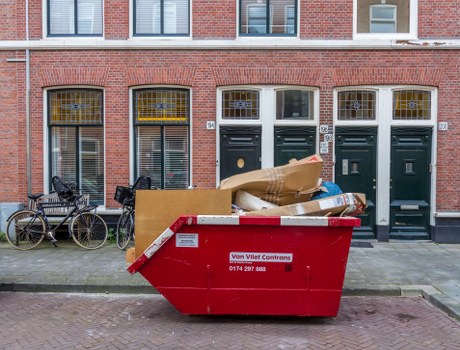
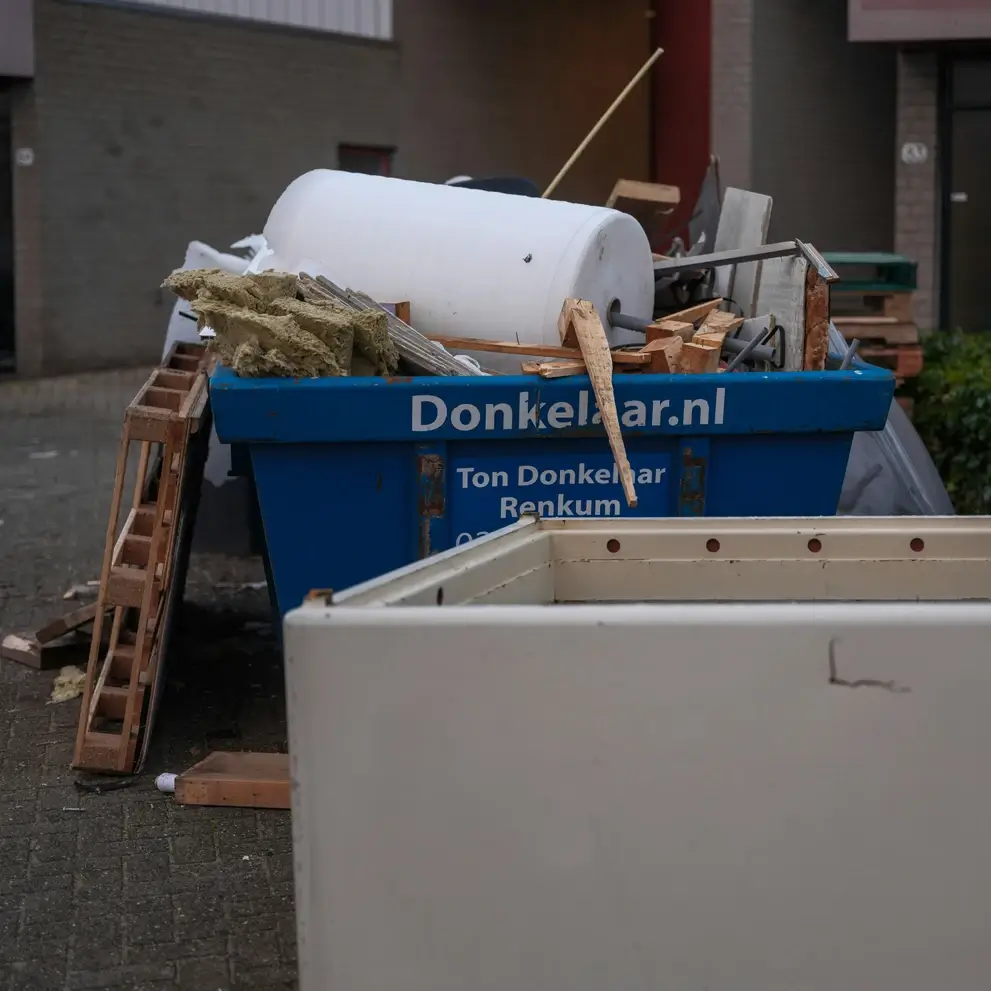
Skip hire in Mayfair gives households, landlords, contractors and businesses a practical way to manage bulky waste without turning the day into a sequence of separate trips to a tip. Our service is centred on moving approved mixed waste, building debris and general clear-out material into the right collection route, then handling the removal in a straightforward way. That makes it easier to keep refurbishments, clearances and maintenance work moving while waste is dealt with responsibly.
We support a range of skip-hire needs through service pages covering domestic, commercial and trade-led work, along with options for specialist loading and waste types. If you are deciding between a standard skip, a wait-and-load arrangement or a permit-led placement, the useful starting point is the type of material, the access available and how quickly the waste needs to leave site. Choose the service that matches the job first, then refine the details from there.
For a first enquiry, it helps to know what you are clearing, roughly how much space the waste will take, and whether the skip can be kept on private land or must sit on a public road. A little planning at the start usually makes the collection simpler, especially where access is tight or the waste stream includes heavier or awkward items. If you are ready to compare options, request a quotation and we will help you narrow the right route.
Domestic and household skip options
For homes, our domestic skip hire pages are aimed at day-to-day clear-outs, room updates and household jobs that create more waste than a normal bin system can handle. That can include mixed refuse from a loft tidy, packaging from new furniture, broken household items, and renovation offcuts from a kitchen or bathroom refresh. The point is to keep the disposal method proportionate to the work rather than overcomplicating a one-off project.
When you are weighing up skip sizes and the likely load, think in terms of weight as well as volume. Dense rubble, soil and broken tiles behave very differently from lighter packaging, timber and general clutter. Our skip sizes and prices page is useful for comparing the available scales before you make a decision, while the what can go in a skip guide helps set out common item categories and the limits that apply to certain materials.
Householders often want a simple arrangement that keeps the driveway or parking area workable while the job is underway. If that is your priority, consider how long the waste will build up, whether the skip should remain in one place, and whether a shorter collection window would be more convenient. Clear access and sensible loading both matter, because they help avoid last-minute changes once the waste is ready to go.
Trade, building and construction waste

Trade users in Mayfair often need skip hire for projects where waste is produced steadily rather than all at once. Builders, decorators, fit-out teams and property maintenance contractors may generate timber offcuts, plasterboard, packaging, broken fixtures and general non-hazardous construction waste. The service is designed to keep that material moving away from the work area so the site stays more manageable through the day.
For heavier and more structured waste streams, it can help to look at the pages for builders skip hire, builders waste removal and construction waste disposal. These pages suit jobs where rubble, brick, block, mixed demolition debris or refurbishment waste needs a disposal method that is dependable and organised. If your work involves strip-out materials or more varied site waste, the linked pages give a clearer route to the right type of collection.
Site planning matters here because access, loading order and the type of waste all affect how the job should be set up. Contractors commonly decide between a skip left in place, a same-day solution or a wait-and-load arrangement depending on road access and how much disruption is acceptable. For that reason, it is sensible to match the collection method to the site rather than choosing the biggest option by default.
Same-day collections and quicker turnaround
Some waste jobs in Mayfair need a quicker response because access is limited or the material is ready to go immediately. Our same-day skip hire page covers situations where the priority is speed of removal rather than a longer loading period. This can suit short maintenance tasks, small refurbishments, urgent clearances and planned work that reaches the disposal stage faster than expected.
If a skip cannot stay on the street or on the property for long, a wait and load skip hire option may be more appropriate. With that approach, the loading happens while the vehicle is present, so there is no need to leave a container in a restricted location. It can be useful where parking constraints, permit conditions or building access make a longer placement less convenient.
The best choice usually depends on how the waste will be generated. A team clearing at speed may prefer a faster handover, while a household or business that is sorting items gradually may need more flexibility. Think about the rhythm of the work, not only the amount of waste, because the right removal method often saves time later.
Permits, placement and access planning

Where a skip needs to sit on the public highway, permit arrangements may be relevant. Our skip permits and skip hire permits pages explain the paperwork side of roadside placement, including the need to consider local rules before the container arrives. This matters in busy central locations where kerbside space is limited and access must be managed carefully.
In tighter streets or properties with awkward access, the exact positioning of the vehicle can make a major difference. If you are trying to avoid leaving a skip in a difficult spot, you may want to compare that with a grab hire services option or a grab lorry hire approach instead. Those services are often discussed alongside skips because they can be useful where loading by hand would be awkward or where the waste needs collecting from a spot that is not easy to serve with a stationary container.
Before arranging collection, it helps to note whether the waste will be loaded from ground level, through a doorway, or from a shared access point. If there are gates, narrow passages or time restrictions, those details shape the practical route. Good access information reduces avoidable delays, and it also helps determine whether a standard skip is the best fit in the first place.
Clearances for homes, garages and lofts
Not every job is about a renovation. Some customers need a skip for a deeper clear-out, such as a garage reset, loft declutter or household rearrangement that leaves a mixed pile of unwanted items. Our garage and loft clearance page sits naturally alongside skip hire because these projects often involve bulky, irregular loads that are easier to sort once a disposal route has been chosen.
For larger domestic clearances, the house clearance service may be more appropriate where furniture, stored items and general contents need to be removed in a controlled way. The difference is mainly about scale and handling: some customers want a container for self-loading, while others need a fuller clearance route that can take the pressure off a crowded space. If you are dealing with mixed household waste, the two approaches can be compared before you commit.
Domestic projects also vary by pace. A single-day sort-out may only need a short window, while a phased clear-out can benefit from a more flexible arrangement. Choose the route that matches the work pattern, not just the size of the pile, because a well-matched disposal method makes the rest of the job feel more controlled.
Specialist waste streams and heavier material

Some waste types need extra care, either because of their weight, their make-up or the way they must be handled. We also cover garden waste removal for green material, branches and cuttings; fridge and appliance removal for white goods; and mattress and sofa disposal for bulky household items that are awkward to leave out with ordinary rubbish. These pages are useful when the load is not simply general mixed waste.
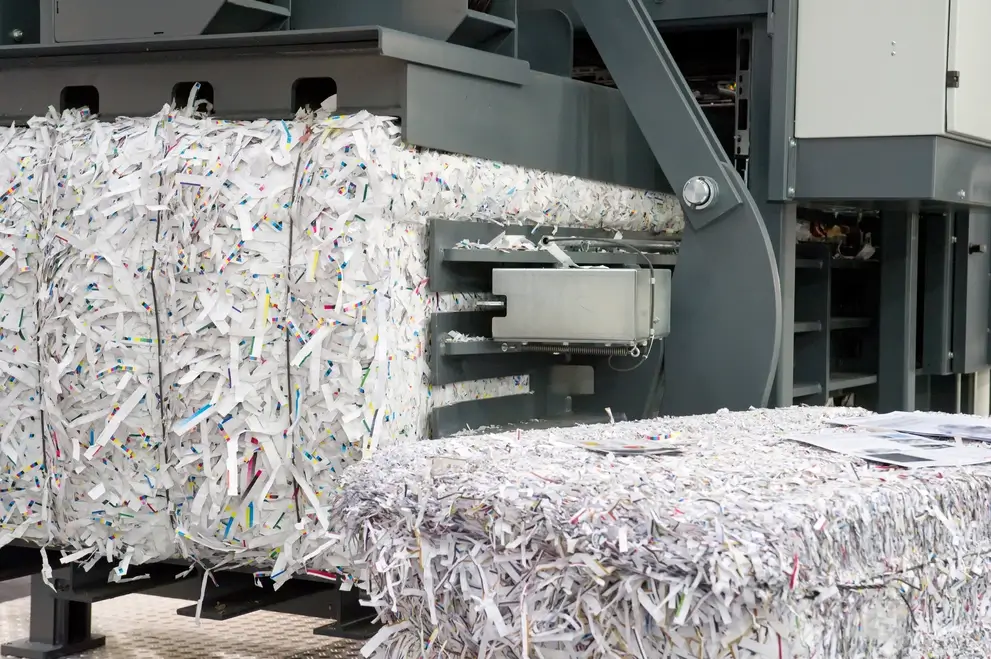
There are also pages for hazardous waste disposal and confidential shredding, which relate to material that should not be treated as routine skip waste. Hazardous or sensitive items usually require their own process, so it is important to separate those from standard disposal needs. That distinction helps keep the booking accurate and the waste stream appropriate.
If you are unsure whether your material fits a standard skip or a more specific service, the safest approach is to sort the waste by type before requesting a price. Mixed loads need clear description, especially where heavy items or restricted materials are involved. A careful breakdown of what you have avoids confusion and makes it easier to point you to the right option.
About Mayfair
Mayfair is a central London district within the City of Westminster, known for its grid of elegant streets, private squares and long-established commercial address culture. It sits between Hyde Park and the West End, with Oxford Street to the north and Piccadilly to the south, and its street pattern reflects the 18th-century development of the Grosvenor Estate. The area takes its name from the May Fair, an 18th-century event that was once held on land east of the current district before the fair was suppressed and the name attached to the new residential quarter. Over time, Mayfair became associated with townhouse architecture, embassies, clubs, galleries and high-value retail, while still preserving pockets of quieter garden squares such as Grosvenor Square and Berkeley Square. Its built environment includes Georgian terraces, later commercial conversions and a number of notable listed buildings, so the streets present a layered architectural character rather than a single uniform style. Green space is limited within the district itself, but Hyde Park and Green Park lie close by, giving the area a strong connection to some of central London’s largest open spaces. Public transport access is supported by nearby Underground stations at Bond Street, Green Park and Hyde Park Corner, while the surrounding streets remain part of one of the capital’s most recognisable central districts.
Commercial skip hire for offices and business premises

Businesses in Mayfair often need a disposal plan that fits refurbishment, relocation, fit-out or regular premises management. Our commercial skip hire page is the best match where offices, hospitality spaces, retail units or managed properties generate waste that must be removed without disrupting the site. That might include packaging, partition offcuts, old fittings or general non-sensitive clear-out material.
Where a workplace needs a broader tidy-up, office clearance may sit alongside skip hire, especially if desks, chairs, archive material or mixed fixtures have to be dealt with in stages. Some businesses also combine this with site clearance when a larger area must be made ready for follow-on works. The choice depends on whether the priority is self-loading, full removal or a hybrid approach.
For business customers, the most helpful preparation is a clear description of the waste type, the access route and the preferred timing. If you already know those points, you can move to a quotation more efficiently and avoid unnecessary back-and-forth. Request a quotation when you are ready, and use the most relevant service page as the starting point for the enquiry.
Pricing, recycling and the final booking step
Skip hire pricing usually depends on the volume of waste, the type of material, the access conditions and whether extra arrangements such as permits or quicker collection are needed. Our pricing and quotes page is the natural place to compare the commercial side of the service, while recycling and sustainability explains the approach to sorting and responsible processing. Those pages help customers understand what shapes the quotation before they proceed.
Where disposal needs to be organised online, our book online page offers a route into the arrangement process, and the waste recycling services page is useful for understanding how reusable and recyclable material may be handled within the broader service. Taken together, these pages help customers move from a rough job description to a more exact plan, whether the waste is domestic, trade-based or part of a larger clearance.
If you are ready to take the next step, keep your enquiry simple and specific: what needs removing, where it is located, and how quickly you want it handled. That is usually enough to start the quotation process. For a tailored response, request a quotation now and use the service page that best matches your waste.